In a fast-paced digital project, a beautiful design is only half the battle — the real challenge lies in translating that vision into a functional, user-friendly website or product. Miscommunication between design and development can often lead to delays, inconsistencies, or missed details. That’s why turning designs into actionable development tasks is a process that demands structure, clarity, and collaboration.
Here’s how our team streamlines this transition — turning creative output into clean code with confidence.
1. The Design Handover Call
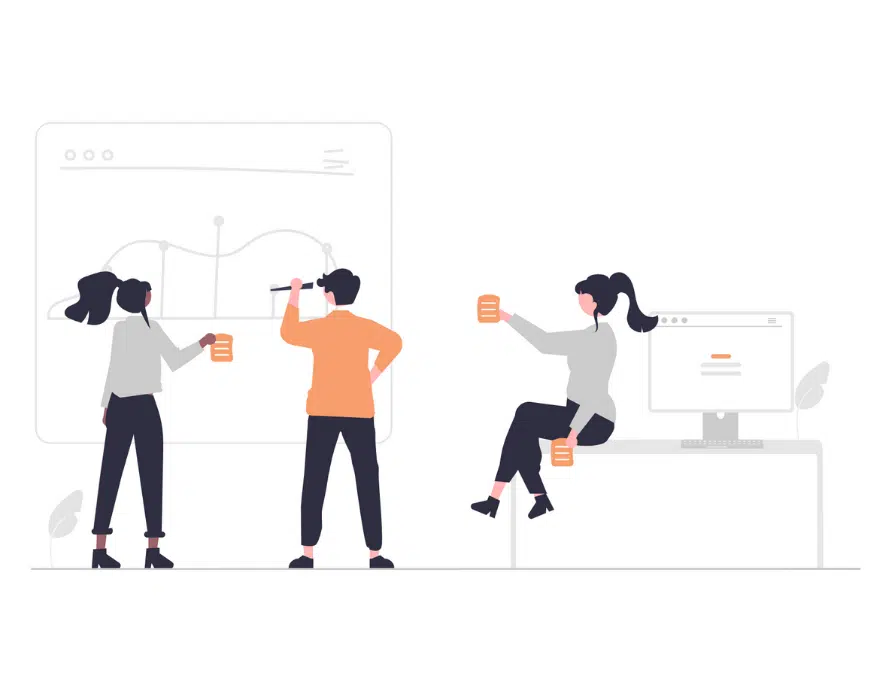
Before a single line of code is written, we organize a design handover call that brings together key team members: project managers, designers, developers, and QA. This session ensures alignment across all functions and allows questions to be raised early — whether it’s about user flows, interactive behavior, or technical feasibility. It sets the stage for a smoother development cycle and eliminates back-and-forth that typically arises from isolated communication.
2. Responsive Design & Clear Guidelines
A good design file is only as useful as its documentation. Our design team provides fully responsive versions for desktop, tablet, and mobile — along with guidelines covering padding, typography, hover states, and component behaviours. We also annotate special interactions and edge-case scenarios to ensure developers have everything they need without guessing or assuming. This prevents misinterpretations and reduces unnecessary revisions later.

3. It’s a Team Effort
Once development begins, the collaboration doesn’t stop. We treat QA as a multi-layered process:
- Our QA team focuses on functionality — checking links, form behavior, responsiveness, and user flows.
- Designers conduct visual QA, ensuring layout precision, styling consistency, and brand alignment. Since they created the visual language, they’re the best people to identify subtle mismatches or missing design details.
- Project managers oversee the checklist, ensuring all agreed-upon features are accounted for and nothing is lost in translation.
This division of roles empowers each team member to focus on their area of expertise, which leads to a more polished and cohesive final product.
The Result
By treating handoff as a collaborative milestone — not just a file transfer — we reduce friction and raise quality. Structured communication, shared responsibility, and clearly defined expectations turn chaos into clarity — and ideas into impact.