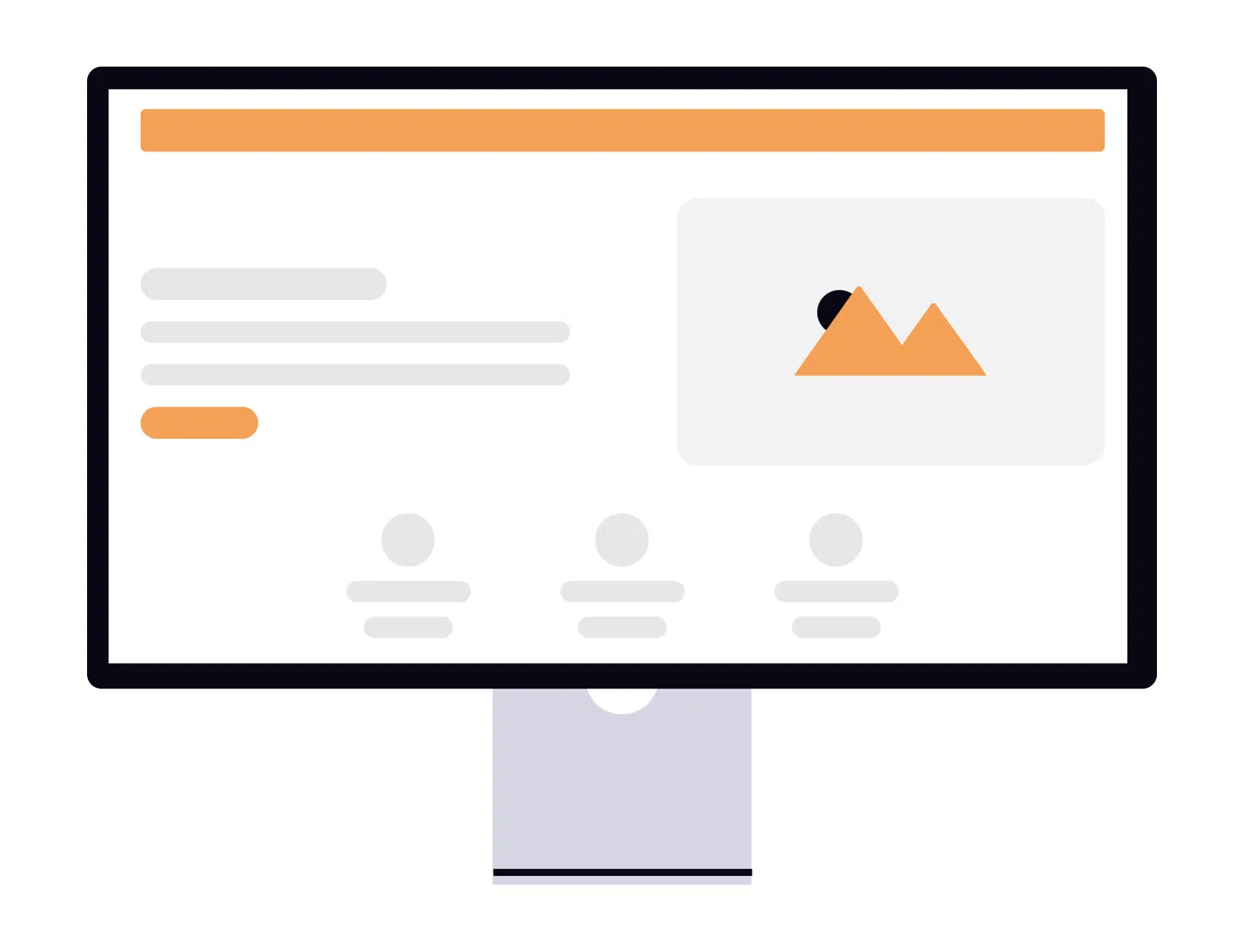
One-page websites have grown in popularity due to their simplicity and user-friendly design. They’re ideal for portfolios, product launches, or small businesses, offering a streamlined experience and quick navigation. However, while these sites have many advantages, they also come with unique challenges.
Benefits of One-Page Websites
- Simplified User Experience: One-page designs eliminate complex navigation, allowing users to scroll through content effortlessly, making the experience intuitive and user-friendly.
- Faster Load Times: With fewer assets compared to multi-page websites, one-pagesites often load faster, reducing bounce rates and enhancing user retention.
- Mobile-Friendly: One-page layouts adapt easily to mobile devices, providing a seamless experience for users who prefer browsing on their smartphones.
- Easier Maintenance: Updates are quicker and simpler, as there’s only one page tomanage, saving time and effort.
- Focused Content and Storytelling: These sites emphasize core content, eliminating distractions. One page linear design supports storytelling, helping brands connect emotionally with users.
Challenges of One-Page Websites
- Limited SEO Opportunities: With consolidated content, targeting multiple keywords can be challenging for one page site compared to multi-page sites that have separate pages for specific topics.
- Risk of Overcrowding: Fitting too much information onto one page can make the site feel cluttered, overwhelming users.
- Scalability Issues: As businesses grow, one-page designs may struggle to accommodate expanding content or features.
- High-Quality Design Essential: Effective presentation of content relies on excellent design. A poorly designed one-page website can confuse users and detract from the experience.
When to Consider a One-Page Website
One-page websites work best for:
- Personal portfolios showcasing concise work with all content in one page.
- Product launches or event pages requiring minimal content.
- Small businesses with limited services or offerings.
- Landing pages for targeted campaigns or calls to action.
Best Practices
- Focus on essential content and logical flow.
- Use one page layout for smooth scrolling and optimize media for fast load times.
- Highlight clear calls to action (CTAs) throughout the page.
- Prioritize mobile-first design for better accessibility.
Conclusion
One-page websites are excellent for businesses with a focused message or limited content. They’re simple, efficient, and mobile-friendly. However, consider multi-page designs if your project requires scalability or extensive information. Start creating a sleek, streamlined website today and captivate your audience with a seamless user experience.
Contact us to learn how we can help you design the perfect one-page website that aligns with your goals!