Minimalist web design has become a hallmark of modern web aesthetics. By embracing simplicity and focusing on the essentials, minimalist design can create visually appealing websites that are not only easy to navigate but also provide a more engaging user experience. While it may seem counterintuitive to leave out elements in a world of constantly growing digital content, minimalist design offers a fresh, focused, and clean approach to web design that can capture user attention without overwhelming them.
In this blog, we’ll explore the core principles of minimalist web design, its benefits, and how you can incorporate this style into your own WordPress design to create a more streamlined and effective online presence.
What is Minimalist Web Design?
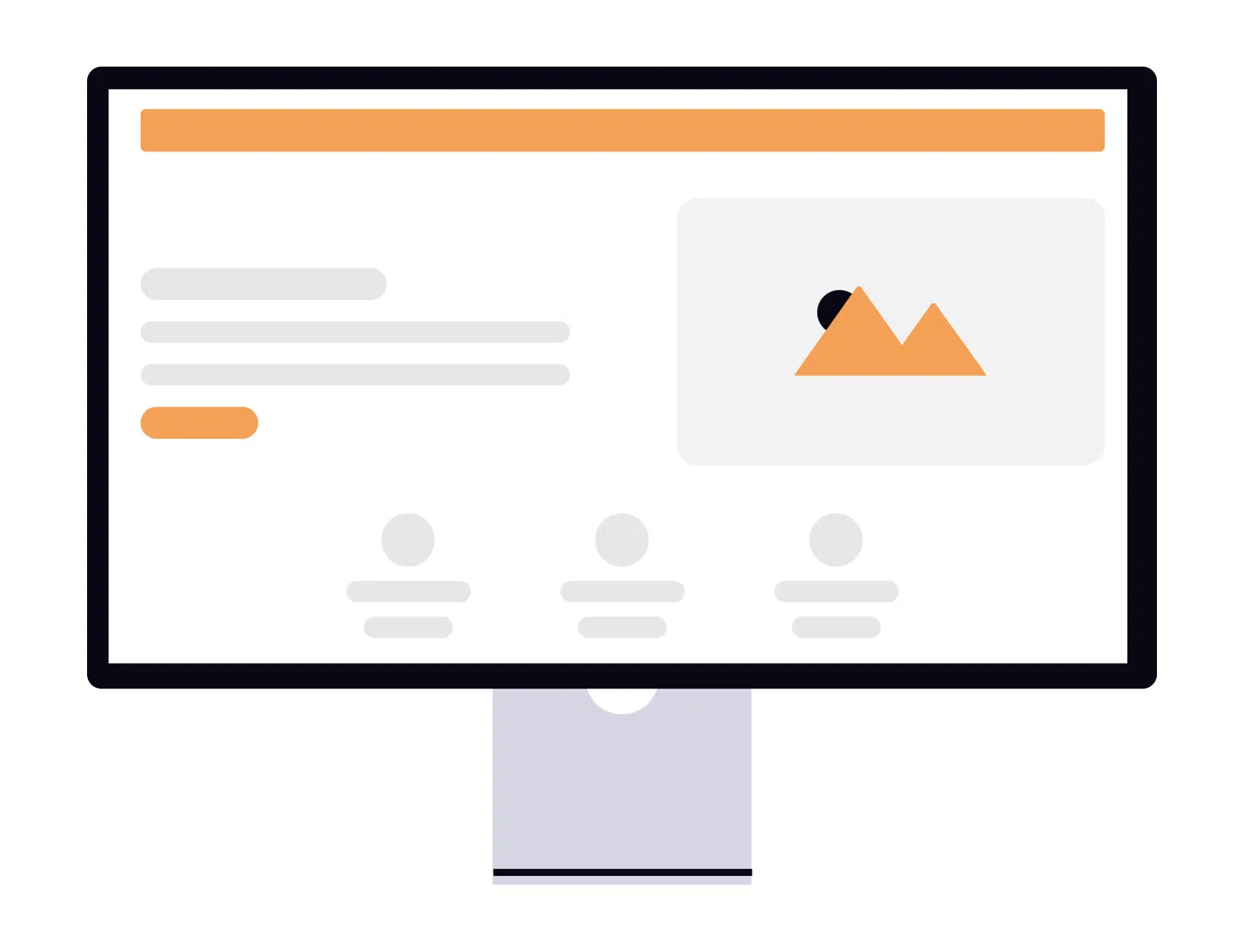
Minimalist web design is all about stripping away unnecessary elements to focus on the essentials. This style emphasizes simplicity, clean lines, and a balanced layout, using a limited color palette, ample white space, and thoughtful typography. The goal is to reduce distractions and deliver the most important content in an easily digestible format, enhancing both visual appeal and usability.
At its core, minimalist design encourages a “less is more” approach, with the primary objective being user-centric: delivering a clear message and offering a pleasant, uncluttered experience for website visitors.
Benefits of Minimalist Web Design
1. Improved User Experience (UX)
Minimalist web design focuses on usability. By eliminating unnecessary elements and distractions, visitors can easily find the information they need, navigate the site with ease, and engage with the content without feeling overwhelmed. The clarity of design ensures users aren’t distracted by excessive visuals or complicated navigation, leading to a smoother overall experience.
2. Faster Load Times
One of the key benefits of minimalist web design is faster page load times. With fewer elements to load—such as images, videos, or complex scripts—minimalist websites tend to be more lightweight, ensuring quicker load speeds. Speed is critical for user retention; slow loading times can lead to high bounce rates and lost opportunities for conversions.
3. Strong Focus on Content
By removing distractions, minimalist design brings more attention to the core content. Whether it’s a product, a service, or a blog post, the content takes center stage. With fewer visual distractions, users can better absorb information and take desired actions—like making a purchase or filling out a contact form.
4. Better Mobile Usability
Minimalist design is inherently mobile-friendly. With a simplified layout and fewer elements to scale or adjust, minimalist websites tend to work well across devices. Mobile users, who may have limited screen space and attention spans, benefit from the straightforward, easy-to-navigate design that minimalist websites provide.
5. Timeless Appeal
Minimalist design is not only modern but also timeless. Unlike trends that may come and go, the clean, elegant nature of minimalist design tends to stand the test of time. This means your website can remain relevant and aesthetically appealing for years to come, reducing the need for frequent redesigns.
Key Principles of Minimalist Web Design
1. Simple Color Palettes
Minimalist design typically uses a limited color scheme—often neutrals, pastels, or monochrome tones. The idea is to create a calm, visually cohesive environment that doesn’t overwhelm the user. Bold accent colors can be used sparingly to highlight key elements, such as buttons or CTAs (calls to action).
2. Ample White Space
White space (or negative space) is crucial in minimalist design. It allows the design elements to “breathe” and prevents the page from feeling cluttered. White space helps guide the user’s eye and emphasizes key content without the need for excessive decoration or flashy visuals.
3. Clear Typography
Typography plays a central role in minimalist design. Instead of relying on images or complex visuals, typography is used to convey meaning and guide the user. Choose clean, legible fonts with good contrast to ensure readability. Large headings paired with concise text also allow users to scan content quickly.
4. Limited Elements and Functionality
Minimalist design involves reducing the number of elements on the page to only what’s necessary. This includes fewer graphics, buttons, and menus. The goal is to streamline the interface so users can focus on key content. Avoid unnecessary features that complicate the user experience.
5. Focused Navigation
Navigation is simplified in minimalist websites, often consisting of a single, easy-to-use menu or set of links. The goal is to provide clear paths for users to follow without overcrowding the screen with options. Simple, intuitive navigation ensures that users don’t get lost or overwhelmed while exploring the site.
Challenges of Minimalist Web Design
While minimalist web design has many advantages, it’s not without its challenges. Here are some common obstacles to consider:
1. Limited Space for Content
The minimalist approach can sometimes create limitations in terms of how much content can be displayed. For websites that require a lot of information or have extensive product offerings, finding the balance between simplicity and content can be tricky. It’s important to prioritize key messages while ensuring enough context is provided.
2. Potential Lack of Visual Interest
Minimalism, by its nature, can feel sparse or plain if not executed properly. Without the use of vibrant visuals, videos, or animations, some minimalist sites might seem too simple, which could fail to engage visitors. The key to overcoming this challenge is to focus on high-quality design elements, like beautiful typography, subtle animations, and thoughtful layouts, to keep the site visually appealing.
3. High Quality of Design Required
Minimalist design may look simple, but it actually requires a high level of design expertise to be effective. Every element must be perfectly executed and balanced to create a harmonious website. If the design is poorly done, it can quickly become lifeless or unappealing.
When Should You Consider Minimalist Web Design?
Minimalist web design works well for a variety of use cases, but it’s especially effective when you:
- Have a Strong Brand Identity: Minimalism is perfect for brands that want to focus on their core values, with design that reflects elegance and clarity.
- Want a Timeless Look: Minimalist websites are less likely to go out of style and can remain fresh and modern for years.
- Need to Focus on Content: If your primary goal is to showcase content (like a portfolio or blog), minimalist design ensures that the content is the star of the show.
On the other hand, minimalist design may not be the best choice for complex e-commerce sites or websites with lots of content, where more intricate navigation or design elements might be needed.
Why Minimalist Web Design is Worth it
Minimalist web design offers a sleek, user-friendly approach that enhances functionality and brand identity. With its emphasis on simplicity, faster load times, and improved user experience, it’s an excellent choice for creating professional and intuitive websites.
If you want to create a website that is sleek, professional, and user-friendly, minimalist design could be just what you need. So, ask yourself: how much clutter are you willing to remove to create a website that truly resonates with your audience?
Interested in finding out more?
Drop us a line — we’d be happy to advise you and discuss how to incorporate these trends into your website redesign in further detail. For some interactive web design inspiration, check out our Fab Lab!